Health Night
with Dr. SchammaNoche de Salud
con el Dr. Schamma
Sixty minutes to understand your own body a little better — your five numbers, your "second heart," how doctors think, and the signs that mean call 911.Sesenta minutos para entender un poco mejor tu propio cuerpo — tus cinco números, tu "segundo corazón", cómo piensan los médicos y las señales que significan llamar al 911.
Built by Dr. Schamma Salomon, MD, FACP — a board-certified Internal Medicine physician practicing Vascular Medicine in Texas.Creado por el Dr. Schamma Salomon, MD, FACP — médico certificado en Medicina Interna que ejerce Medicina Vascular en Texas.
Before we start — what tonight is, and what it isn'tAntes de empezar — qué es esta noche, y qué no es
✅ Tonight we willEsta noche sí vamos a
- Explain what the numbers meanExplicar qué significan los números
- Practice questions for your next visitPracticar preguntas para tu próxima cita
- Learn the signs that mean call 911Aprender las señales que significan llamar al 911
🚫 Tonight we will notEsta noche no vamos a
- Check anyone's blood pressure or sugarMedir la presión ni el azúcar de nadie
- Tell anyone what condition they haveDecirle a nadie qué condición tiene
- Advise on anyone's medicines or personal caseAconsejar sobre los medicamentos ni el caso personal de nadie
📊 Your body's dashboardEl tablero de tu cuerpo
Your car has a dashboard. You don't need to be a mechanic to drive — you just need to know which lights matter. Your body has one too. It's five numbers, and most adults have never had them explained.Tu carro tiene un tablero. No necesitas ser mecánico para manejar — solo necesitas saber cuáles luces importan. Tu cuerpo también tiene uno. Son cinco números, y a la mayoría de los adultos nunca se los han explicado.
🫀 Blood pressurePresión arterial
What it is: the force of blood pushing against the walls of your arteries. The top number is the push when your heart squeezes. The bottom number is the pressure that stays there while your heart rests between beats.Qué es: la fuerza con que la sangre empuja las paredes de tus arterias. El número de arriba es el empuje cuando tu corazón se contrae. El de abajo es la presión que se queda ahí mientras tu corazón descansa entre latidos.
Ranges from the 2025 American Heart Association / American College of Cardiology adult guideline. General education — your own doctor sets your personal target, which may be different.Rangos de la guía 2025 para adultos de la American Heart Association / American College of Cardiology. Educación general — tu propio médico define tu meta personal, que puede ser distinta.
🥑 CholesterolColesterol
What it is: a waxy material your body actually needs — to build cells and hormones. It rides through your blood on carriers. The trouble isn't cholesterol itself. It's which carrier is doing the driving.Qué es: una sustancia cerosa que tu cuerpo de verdad necesita — para formar células y hormonas. Viaja por la sangre en transportadores. El problema no es el colesterol en sí. Es cuál transportador lo lleva.
General reference ranges (NHLBI / Mayo Clinic). Labs report slightly different ranges — always read yours next to your own doctor's interpretation.Rangos de referencia generales (NHLBI / Mayo Clinic). Los laboratorios reportan rangos un poco distintos — siempre lee el tuyo junto con la interpretación de tu propio médico.
🩸 Blood sugarAzúcar en sangre
What it is: how much sugar is traveling in your blood right now. The A1C test is different — it's a three-month average. A fasting glucose is a photograph. An A1C is the highlight reel.Qué es: cuánta azúcar viaja en tu sangre en este momento. La prueba de A1C es distinta — es un promedio de tres meses. La glucosa en ayunas es una fotografía. La A1C es el resumen de la temporada.
True or false: "If I had prediabetes, I would feel it."
Answer: False. Prediabetes usually has no symptoms at all — which is exactly why it's found on a test, not by a feeling. Nobody loses points for guessing; that's the whole reason it gets missed.¿Verdadero o falso? "Si tuviera prediabetes, lo sentiría."
Respuesta: Falso. La prediabetes normalmente no da ningún síntoma — y por eso se encuentra en un examen, no por una sensación. Nadie pierde puntos por adivinar; justamente por eso se pasa por alto.
Ranges from the CDC / MedlinePlus. Diagnosis of diabetes or prediabetes is made by your own doctor, using your own test results — never by a slide.Rangos de los CDC / MedlinePlus. El diagnóstico de diabetes o prediabetes lo hace tu propio médico, con tus propios resultados — nunca una diapositiva.
⚖️ Weight — but measured two waysPeso — pero medido de dos formas
What it is: BMI is a quick screen from your height and weight. Waist size adds the part BMI misses — weight carried around the middle, which behaves differently in the body. Neither is a verdict on a person. Together they're a useful flag.Qué es: el IMC es un chequeo rápido según tu estatura y peso. La medida de la cintura agrega lo que el IMC no ve — el peso alrededor del abdomen, que se comporta distinto en el cuerpo. Ninguno es un veredicto sobre una persona. Juntos son una señal útil.
Ranges from the CDC and NHLBI; waist cutoffs can be lower for some ancestries (for example South or East Asian) — ask your doctor. Weight is one signal among many, and it does not define anyone's worth or health on its own.Rangos de los CDC y el NHLBI; los límites de cintura pueden ser más bajos en algunas ascendencias (por ejemplo, del sur o del este de Asia) — pregúntale a tu médico. El peso es una señal entre muchas, y por sí solo no define el valor ni la salud de nadie.
💓 Resting heart rateFrecuencia cardíaca en reposo
What it is: how many times your heart beats per minute while you're calm and still. It's the one number on this list you can check right now, with nothing but your fingers and a clock.Qué es: cuántas veces late tu corazón por minuto cuando estás tranquilo y quieto. Es el único número de esta lista que puedes revisar ahora mismo, con nada más que tus dedos y un reloj.
You just learned your dashboard 🎉Acabas de aprender tu tablero 🎉
Blood pressure · cholesterol · blood sugar · weight & waist · resting heart rate. Most adults have never had all five explained in one sitting. You have now.Presión arterial · colesterol · azúcar en sangre · peso y cintura · frecuencia cardíaca en reposo. La mayoría de los adultos nunca ha tenido los cinco explicados de una sola vez. Tú ya sí.
Which of the five can you measure at home for free, with no device at all?
Answer: two of them — your waist (a tape measure) and your resting heart rate (your fingers). That's two-fifths of your dashboard, tonight, at no cost.¿Cuáles de los cinco puedes medir en casa gratis, sin ningún aparato?
Respuesta: dos — tu cintura (una cinta métrica) y tu frecuencia cardíaca en reposo (tus dedos). Eso es dos quintos de tu tablero, esta misma noche, sin costo.
Next up: the second heart almost nobody knows they have — and it's not in your chest.A continuación: el segundo corazón que casi nadie sabe que tiene — y no está en el pecho.
🦵 Your calves are your second heartTus pantorrillas son tu segundo corazón
Your heart pushes blood down to your feet easily — gravity helps. Now ask the harder question: what pushes it back up?Tu corazón empuja la sangre hacia abajo a los pies con facilidad — la gravedad ayuda. Ahora la pregunta difícil: ¿qué la empuja de regreso hacia arriba?
What happens when the pump sits stillQué pasa cuando la bomba se queda quieta
🪑 Sitting or standing still for hoursEstar sentado o de pie por horas
- Blood pools in the lower legsLa sangre se acumula en las piernas
- Ankles swell — often worse by eveningLos tobillos se hinchan — a menudo peor al atardecer
- Legs feel heavy, achy, tiredLas piernas se sienten pesadas, adoloridas, cansadas
🚶 Moving the calf, even a littleMover la pantorrilla, aunque sea poco
- The pump switches back onLa bomba se vuelve a encender
- Blood moves upward against gravityLa sangre sube contra la gravedad
- It costs nothing and needs no equipmentNo cuesta nada y no necesita equipo
The standing calf pumpLa bomba de pantorrilla de pie
Standing versionVersión de pie
- Hold a chair back or wallSostén el respaldo de una silla o la pared
- Rise slowly onto the balls of your feetSube despacio sobre las puntas de los pies
- Lower slowly, heels to the floorBaja despacio, talones al piso
- Repeat gently for 2 minutes. Breathe normally.Repite con suavidad por 2 minutos. Respira normal.
Seated version — equally goodVersión sentado — igual de buena
- Keep your heels on the floorDeja los talones en el piso
- Lift your toes toward your kneesSube los dedos de los pies hacia las rodillas
- Then press your toes downLuego presiona los dedos hacia abajo
- Same pump, same 2 minutes, zero balance neededLa misma bomba, los mismos 2 minutos, sin necesidad de equilibrio
Then say: "That's it. That's the whole exercise. You just did the thing that keeps the second heart working — and you can do it at a red light, at the sink, or in a waiting room."Luego di: "Eso es todo. Ese es el ejercicio completo. Acabas de hacer lo que mantiene funcionando al segundo corazón — y puedes hacerlo en un semáforo, en el fregadero o en una sala de espera."
Where this fits in a real dayDónde entra esto en un día real
🧠 How doctors thinkCómo piensan los médicos
Here's something patients almost never get told: when you describe a symptom, your doctor isn't reaching for one answer. They're building a short list — the likely thing, and the dangerous thing they have to rule out first.Aquí va algo que casi nunca le dicen a los pacientes: cuando describes un síntoma, tu médico no busca una sola respuesta. Está armando una lista corta — lo probable, y lo peligroso que tiene que descartar primero.
Once you know that, three questions change every visit you'll ever have.Una vez que sabes eso, tres preguntas cambian todas las citas que tendrás.
The 3 questions that change every visitLas 3 preguntas que cambian toda cita
The most valuable minute is the last oneEl minuto más valioso es el último
Everyone tells patients to walk in with a list of symptoms. I'd argue the more valuable list is the one you walk out with — the two or three specific things that would make you call back. Safety-netting is a recognized part of good practice, but it's almost always spoken, at the door, in the last thirty seconds of a visit. Spoken instructions are the first thing a worried person forgets. So my suggestion: ask for it in writing, before you leave. "Can you write down what would make me call you?" It takes your doctor fifteen seconds — and it's the sentence that most often gets someone back in the door at the right time instead of the wrong one.Todo el mundo le dice al paciente que llegue con una lista de síntomas. Yo diría que la lista más valiosa es la que te llevas al salir — las dos o tres cosas específicas que harían que volvieras a llamar. La red de seguridad es parte reconocida de la buena práctica, pero casi siempre se da hablada, en la puerta, en los últimos treinta segundos de la cita. Y lo hablado es lo primero que olvida una persona preocupada. Así que mi sugerencia: pídela por escrito, antes de irte. "¿Puede anotarme qué haría que le llamara?" Le toma quince segundos a tu médico — y es la frase que más a menudo hace que alguien regrese en el momento correcto y no en el equivocado.
Your doctor says "let's watch it and see." What's the one thing you now know to ask before you leave?
Watch for what, exactly — and what would mean I call you or call 911? That's the whole skill. You now have it.Tu médico dice "vamos a observarlo". ¿Qué es lo único que ahora sabes preguntar antes de irte?
¿Observar qué, exactamente — y qué significaría que le llamo o llamo al 911? Esa es toda la habilidad. Ya la tienes.
A perspective offered for reflection — it never replaces your own doctor's judgment about your own care.Una perspectiva para reflexionar — nunca reemplaza el criterio de tu propio médico sobre tu propio cuidado.
🚨 When it's 911 — not wait-and-seeCuándo es 911 — no "a ver qué pasa"
Everything else tonight can wait until Monday. This part cannot. If you remember one slide from this whole evening, make it this one and the next.Todo lo demás de esta noche puede esperar hasta el lunes. Esta parte no. Si recuerdas una sola diapositiva de toda la velada, que sean esta y la siguiente.
Three rules that apply to every single sign on the next slide:Tres reglas que aplican a cada señal de la siguiente diapositiva:
- Call 911 (or your local emergency number). Not a friend first, not the internet first.Llama al 911 (o a tu número local de emergencias). No a un amigo primero, ni a internet primero.
- Don't drive yourself, and don't have someone drive you if 911 is available. Treatment starts in the ambulance.No manejes tú mismo, y que nadie te lleve manejando si el 911 está disponible. El tratamiento empieza en la ambulancia.
- Don't wait to see if it passes. With these signs, time is the treatment.No esperes a ver si se pasa. Con estas señales, el tiempo es el tratamiento.
The signs that mean call 911Las señales que significan llamar al 911
❤️ HeartCorazón
- Chest pain, pressure, squeezing or heavinessDolor, presión, opresión o pesadez en el pecho
- Discomfort spreading to the arm, jaw, neck or backMolestia que se extiende al brazo, la mandíbula, el cuello o la espalda
- With cold sweat, nausea, or shortness of breathCon sudor frío, náusea o falta de aire
🧠 Stroke — B.E. F.A.S.T.Derrame — B.E. F.A.S.T.
- Balance lost suddenly · Eyes: sudden vision lossB — pérdida súbita del equilibrio · E — pérdida súbita de la visión
- Face droops · Arm weak · Speech slurredF — cara caída · A — brazo débil · S — habla arrastrada
- Time — call 911 the moment you see any of itT — tiempo: llama al 911 en cuanto veas cualquiera de estas
🫁 Breathing & clotsRespiración y coágulos
- Sudden trouble breathing, or breathlessness that comes out of nowhereDificultad súbita para respirar, o falta de aire que aparece de la nada
- Sudden pain, swelling, warmth or redness in one leg with breathlessness or chest pain (a swollen leg on its own: get seen the same day)Dolor, hinchazón, calor o enrojecimiento súbitos en una pierna con falta de aire o dolor de pecho (una pierna hinchada por sí sola: hazte ver el mismo día)
- Coughing up bloodToser sangre
⚠️ Also 911También 911
- Fainting or passing out · a seizure · confusion that comes on suddenlyDesmayo o pérdida de conciencia · una convulsión · confusión que aparece de repente
- The worst headache of your life, starting suddenlyEl peor dolor de cabeza de tu vida, que empieza de repente
- Severe bleeding that won't stop · thoughts of harming yourself (in the U.S. you can also call or text 988)Sangrado severo que no para · pensamientos de hacerte daño (en EE. UU. también puedes llamar o enviar mensaje al 988)
Sources: CDC, American Heart Association / American Stroke Association, Mayo Clinic. This is a general education list, not a complete one — when something feels seriously wrong, call 911 anyway. Outside the U.S.? Call your local emergency number.Fuentes: CDC, American Heart Association / American Stroke Association, Mayo Clinic. Esta es una lista educativa general, no una lista completa — cuando algo se sienta gravemente mal, llama al 911 de todos modos. ¿Fuera de EE. UU.? Llama a tu número local de emergencias.
🙋 Questions — the rules of the roadPreguntas — las reglas del camino
✅ Great questions for tonightBuenas preguntas para esta noche
- "How does the A1C test actually work?""¿Cómo funciona realmente la prueba de A1C?"
- "Why do legs swell more at night?""¿Por qué se hinchan más las piernas de noche?"
- "What's a good way to ask my doctor for my numbers?""¿Cómo le pido bien mis números a mi médico?"
↪️ Answer: "ask your own doctor"Respuesta: "pregúntale a tu médico"
- "Should I stop my blood pressure pill?" → Never from us. That's your doctor or pharmacist."¿Debo dejar mi pastilla de la presión?" → Nunca de nuestra parte. Eso es tu médico o farmacéutico.
- "Is this lump serious?" → We can't see, examine, or diagnose. Your doctor can."¿Esta bolita es grave?" → No podemos ver, examinar ni diagnosticar. Tu médico sí.
- "What supplement should I take?" → Ask your doctor or pharmacist."¿Qué suplemento debo tomar?" → Pregúntale a tu médico o farmacéutico.
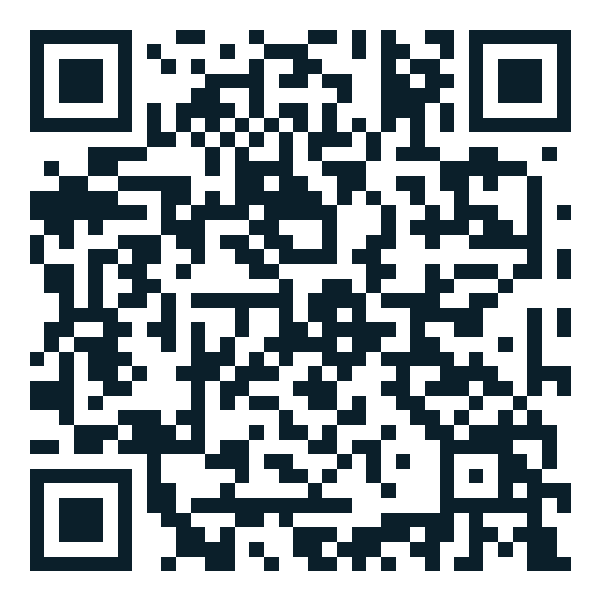
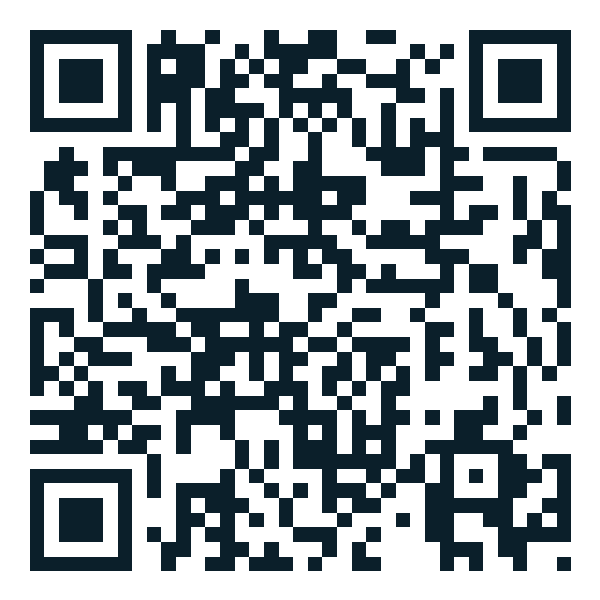
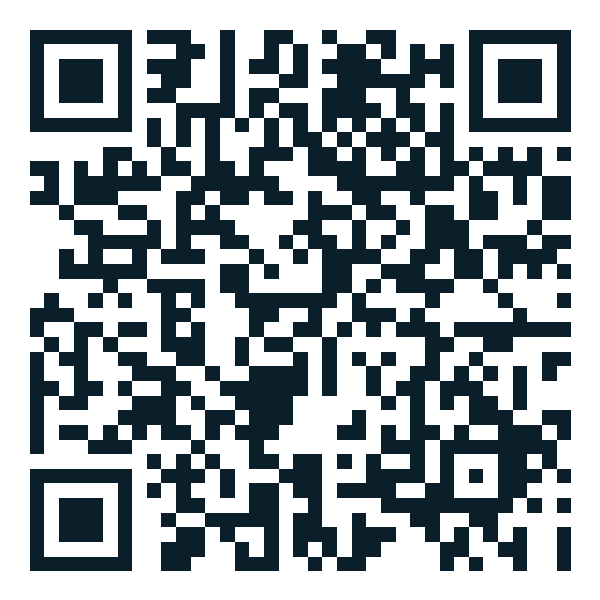
Everything tonight — free, bilingual, on your phoneTodo lo de esta noche — gratis, bilingüe, en tu teléfono
Point your phone camera at a code. No app, no cost, English and Spanish.Apunta la cámara de tu teléfono a un código. Sin app, sin costo, en inglés y español.
For education only — general health information, not medical advice, diagnosis, or treatment, and it does not create a doctor–patient relationship. Always consult your own doctor. Never start or stop any medication or prescribed therapy without your own doctor. In an emergency, call 911.Solo educación — información general de salud, no consejo médico, diagnóstico ni tratamiento, y no crea una relación médico–paciente. Consulta siempre a tu propio médico. Nunca empieces ni suspendas ningún medicamento o terapia recetada sin tu propio médico. En una emergencia, llama al 911.